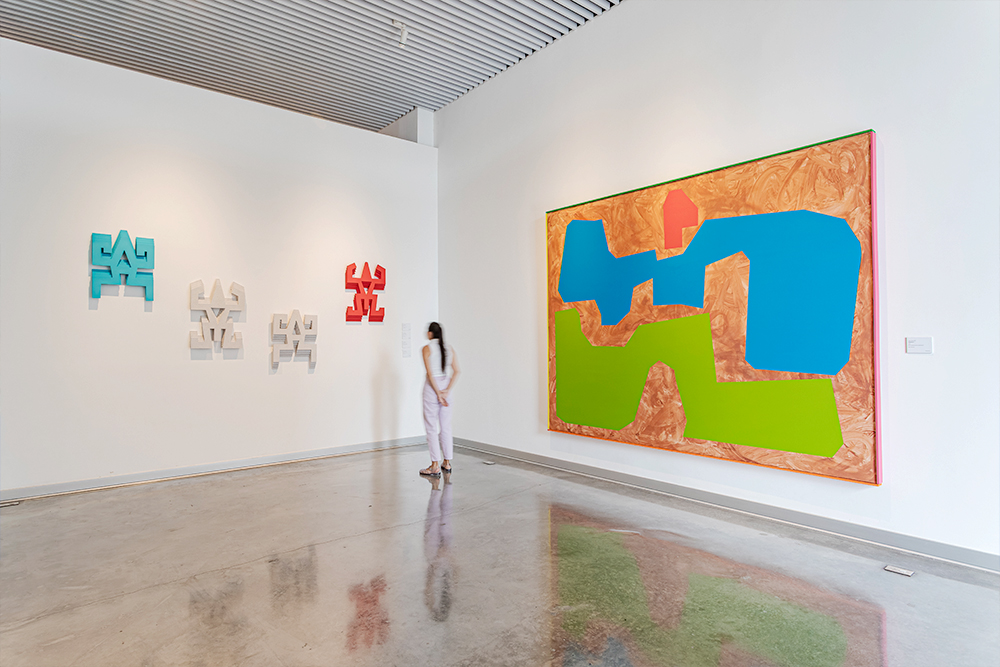
Sigilantes
Cisco Merel at NG Gallery
Since ancient times, humanity has drawn and carved protective forms to safeguard the intangible, the divine, the ancestral. Symbols made of clay, wood, stone, or pigment—created to commemorate and preserve the sacred, or to open and seal portals between this world and others—decorate caves, walls, and millennia-old parchments across every continent. Present in diverse cultures throughout history, sigils have traditionally been graphic representations of spirits or otherworldly beings. In more contemporary occult practices, such as chaos magic, a sigil is a symbol created from the reduction and abstraction (to the level of an icon) of words or phrases that express a specific intention, with the aim of manifesting it in reality. Derived from the Latin sigillum (meaning “seal”), these emblems serve as invisible bridges between the conscious and subconscious, and are used to concentrate, direct, or repel supernatural forces; to create amulets of healing, protection, or attraction; or to strengthen or bring forth the goals and desires of the practitioner.
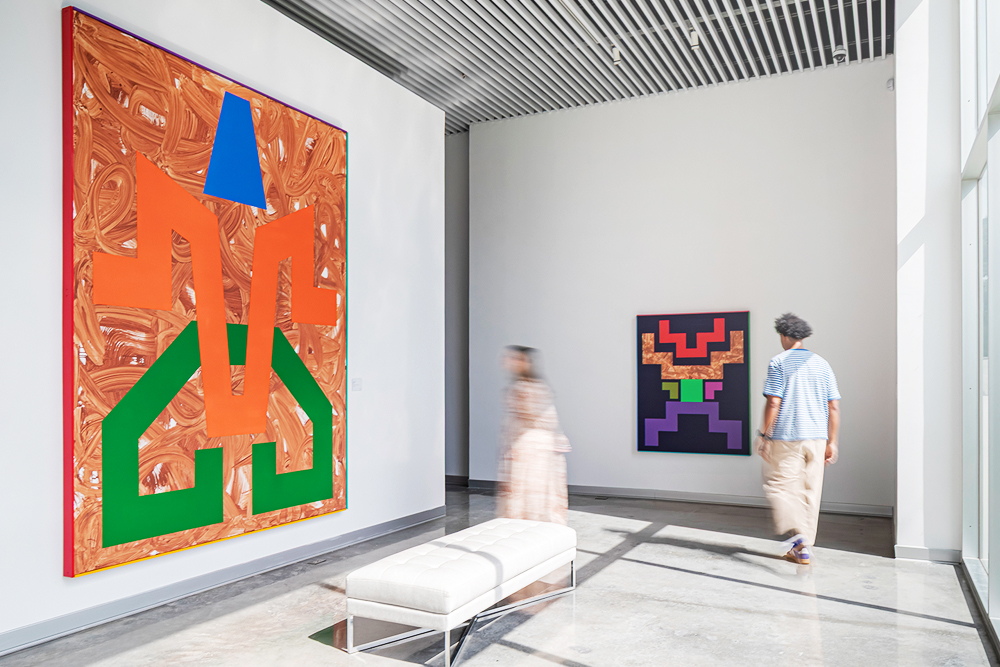
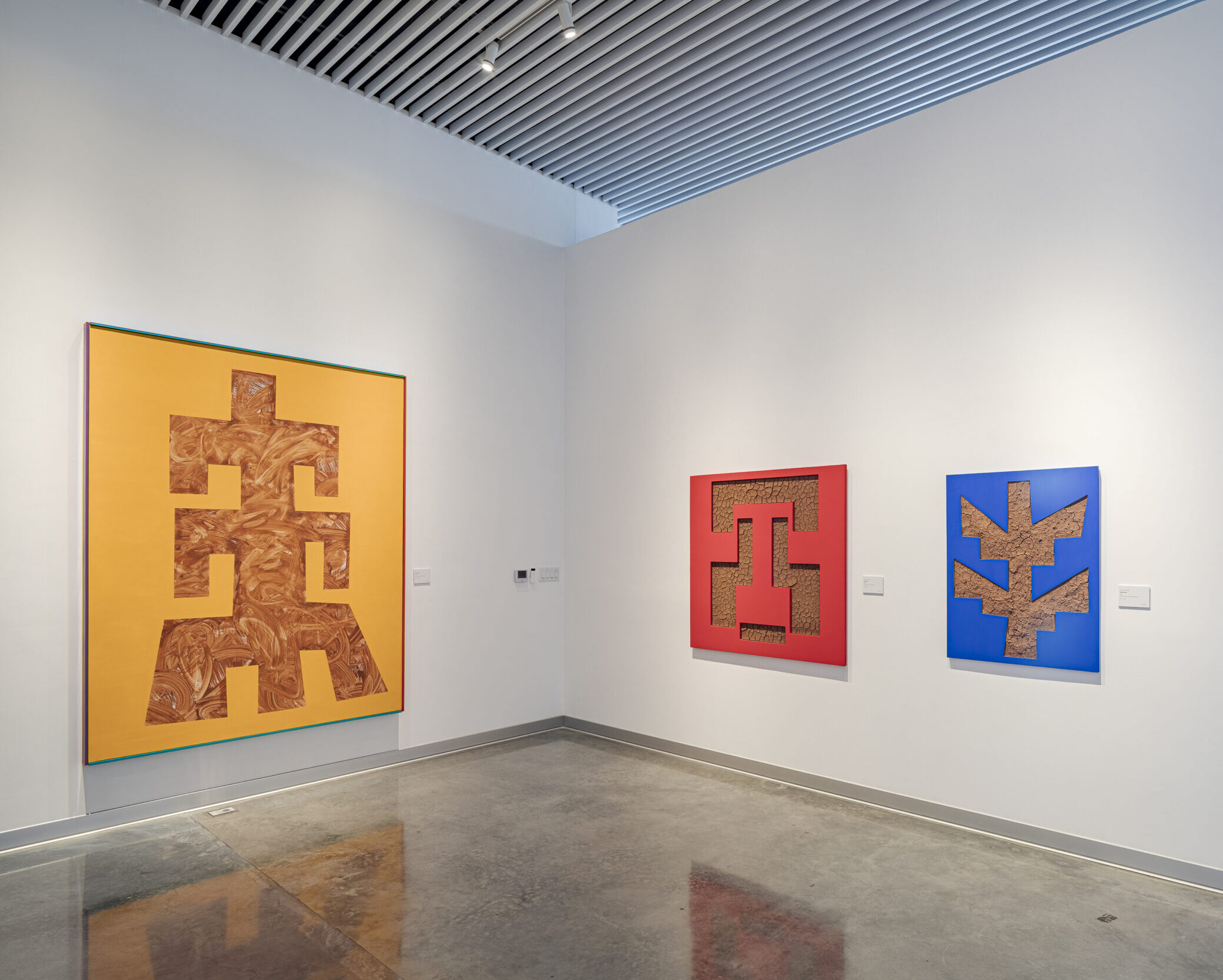
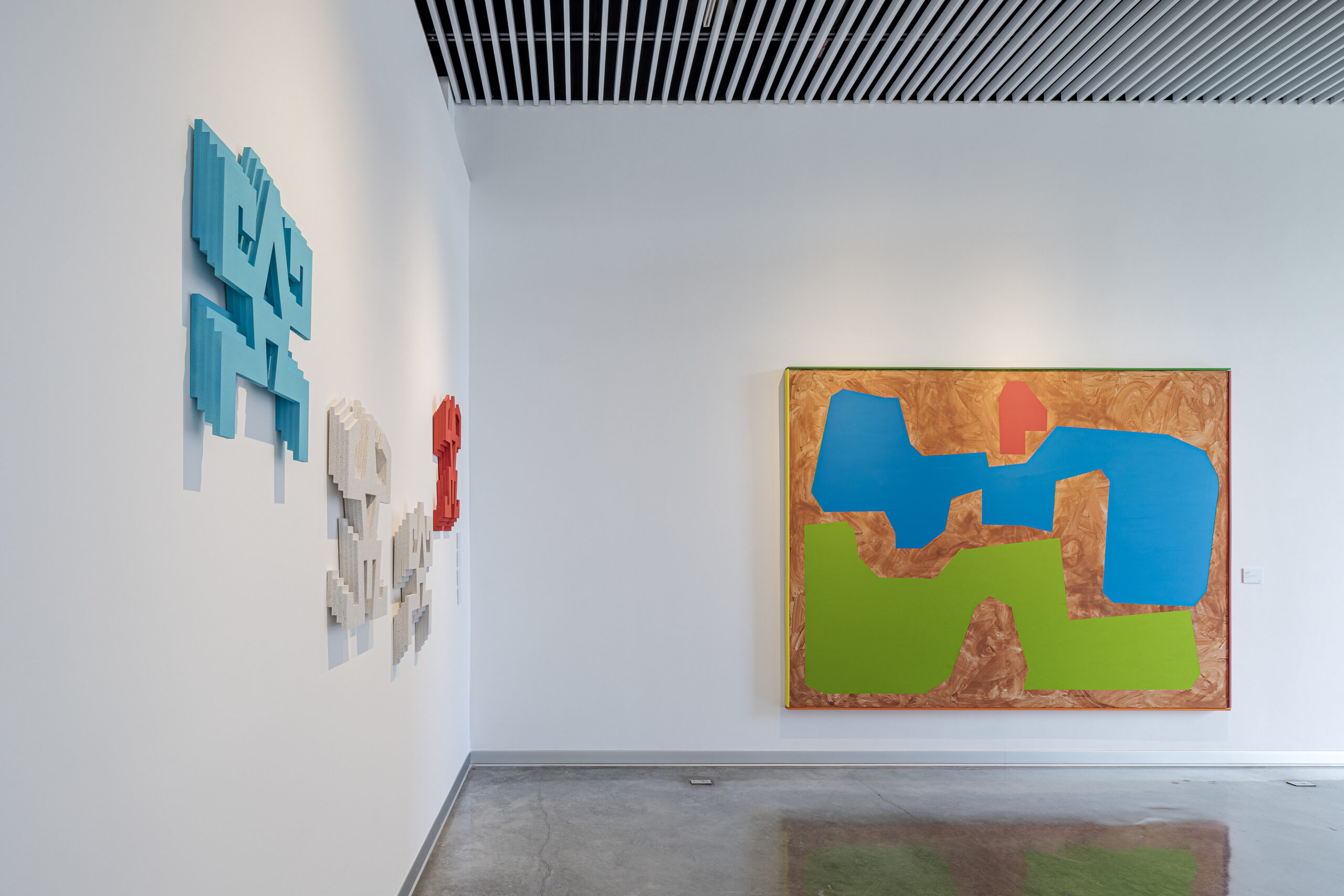
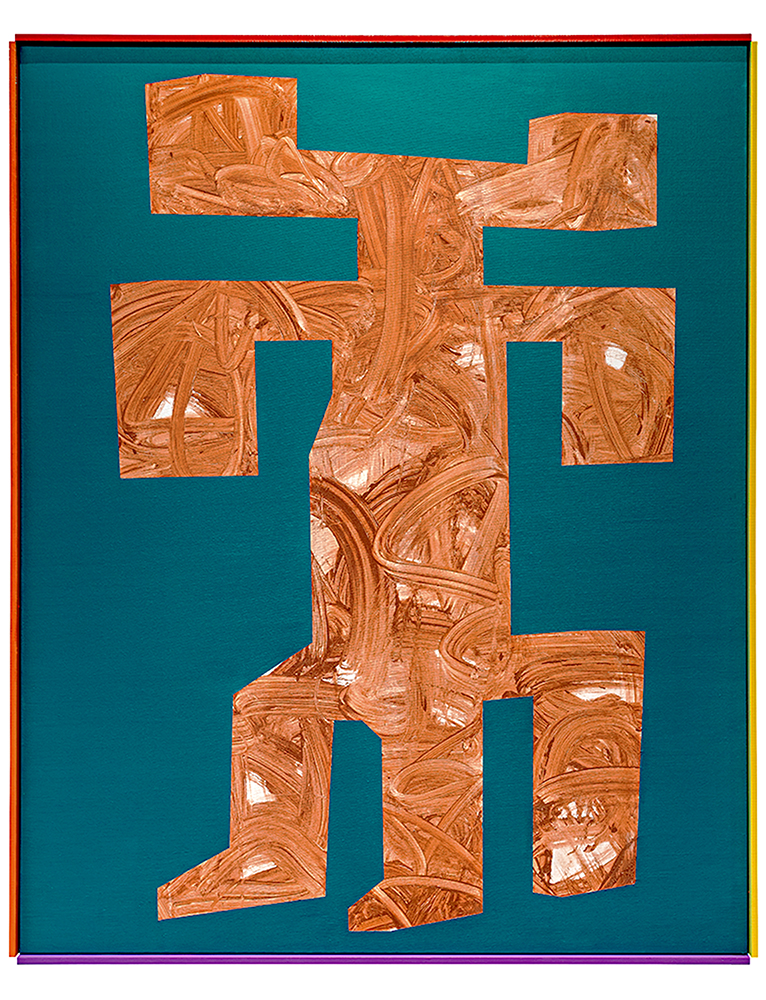
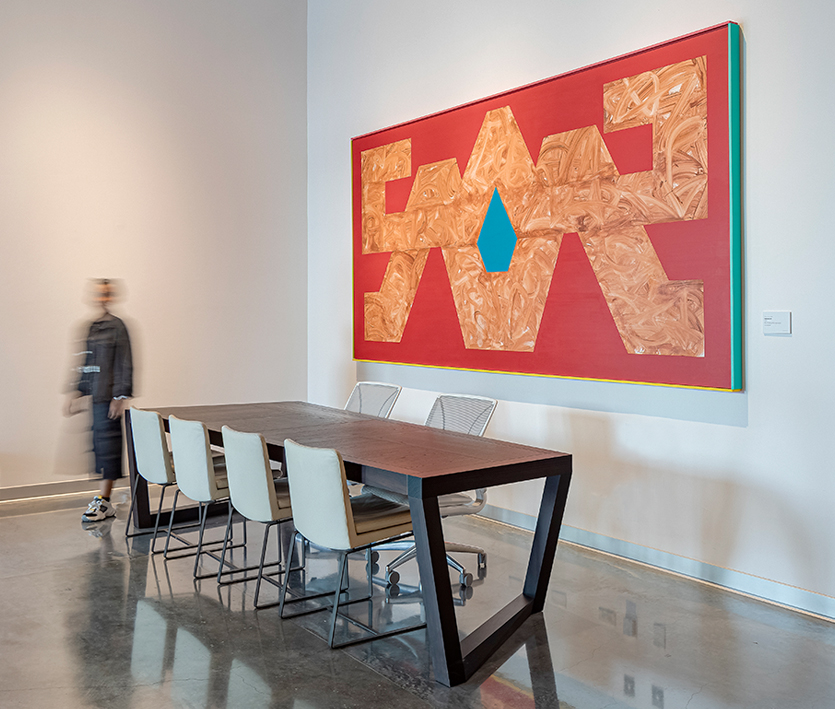
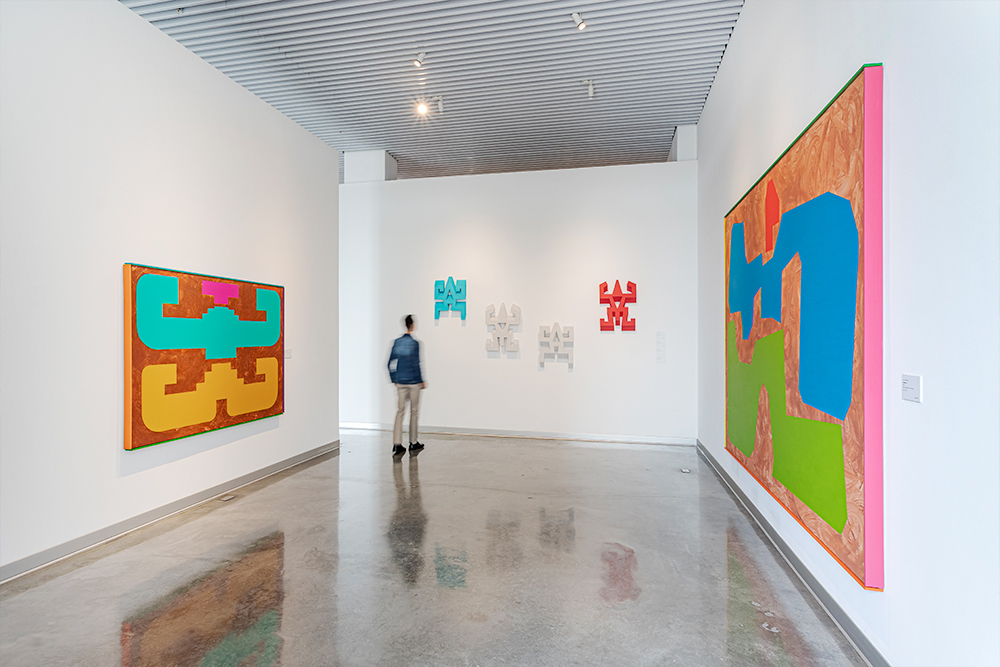
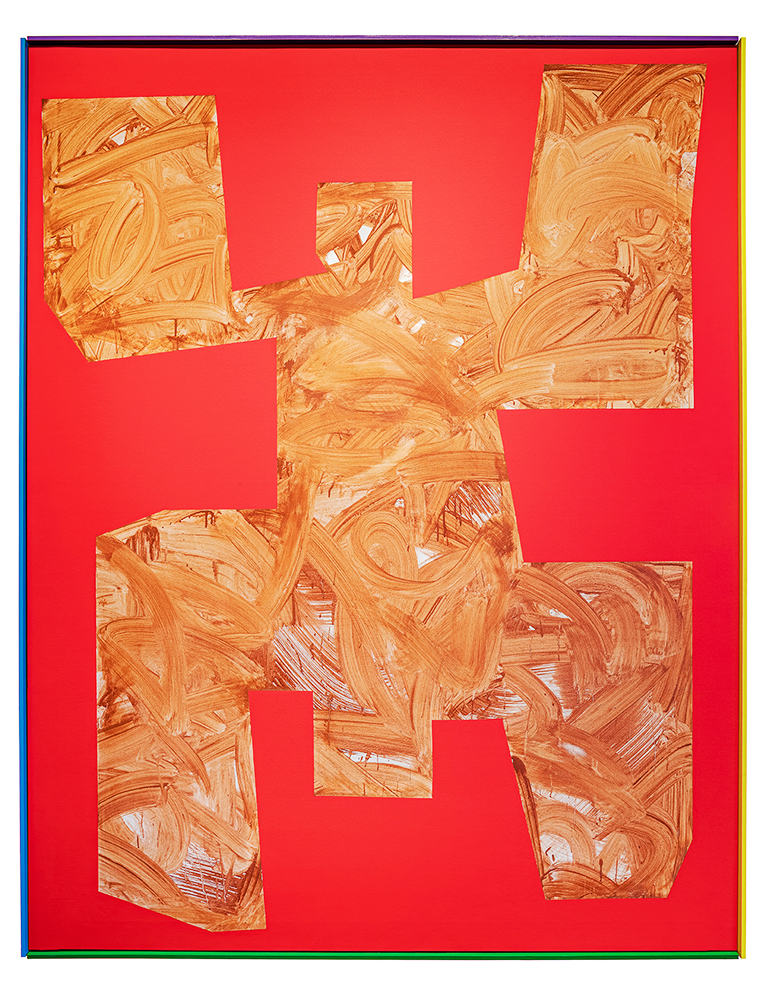
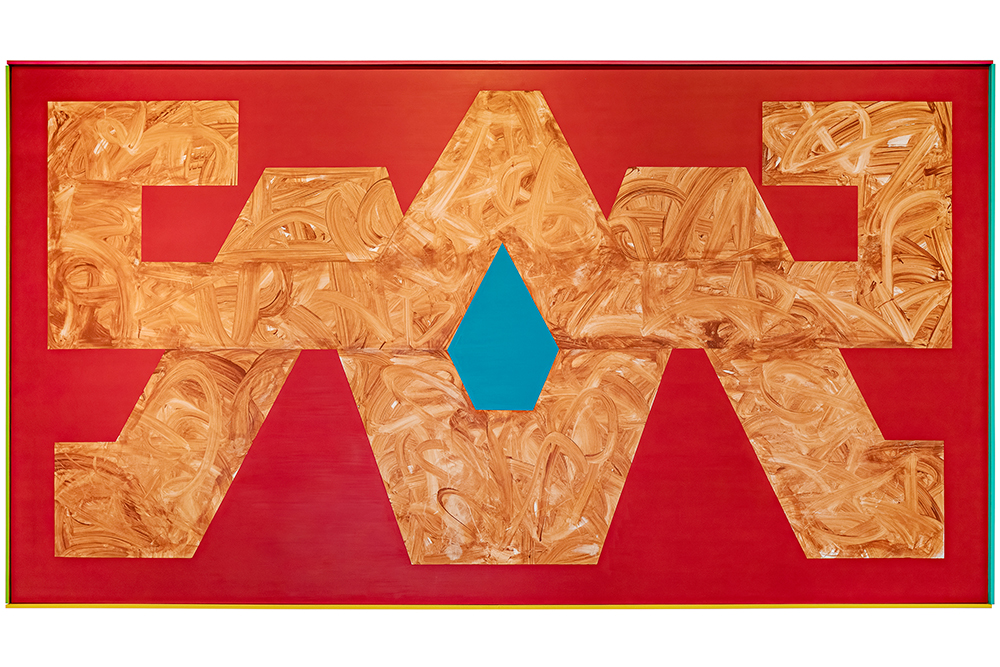
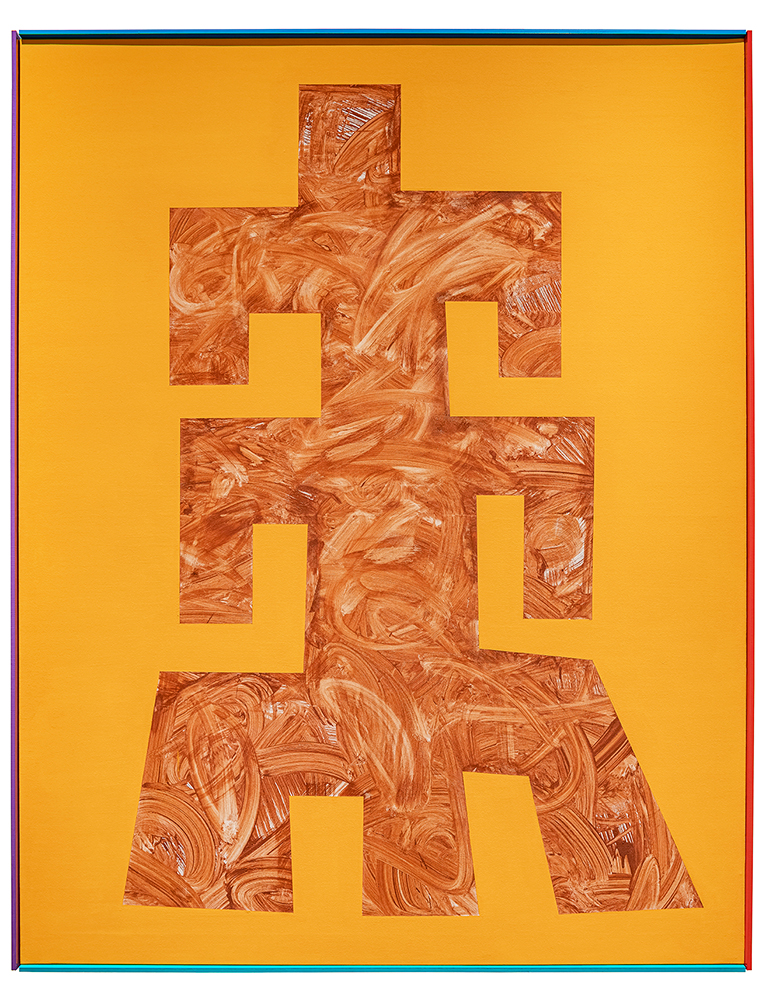
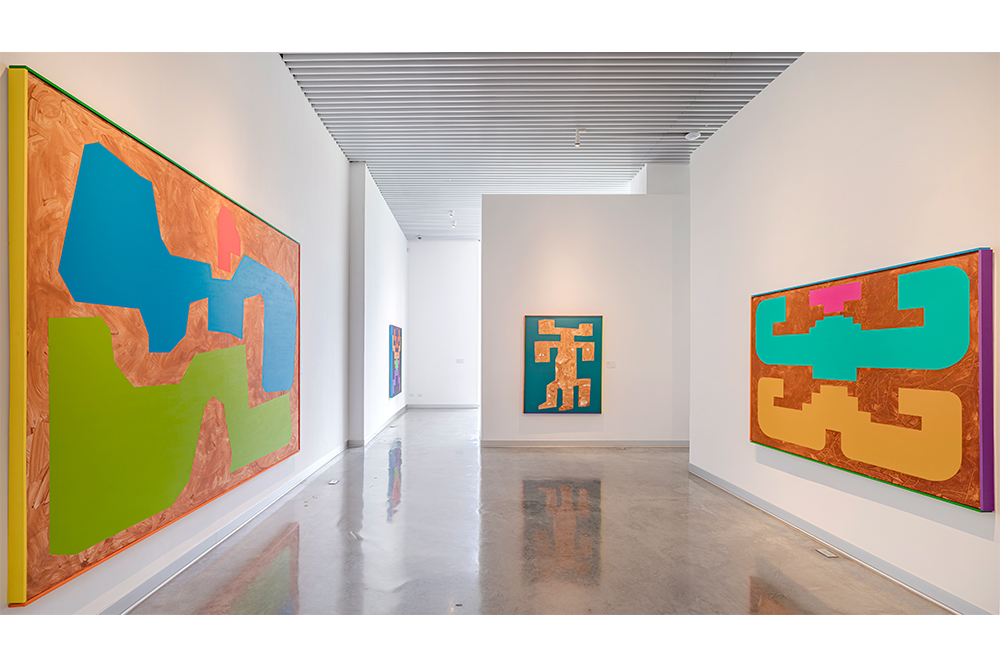
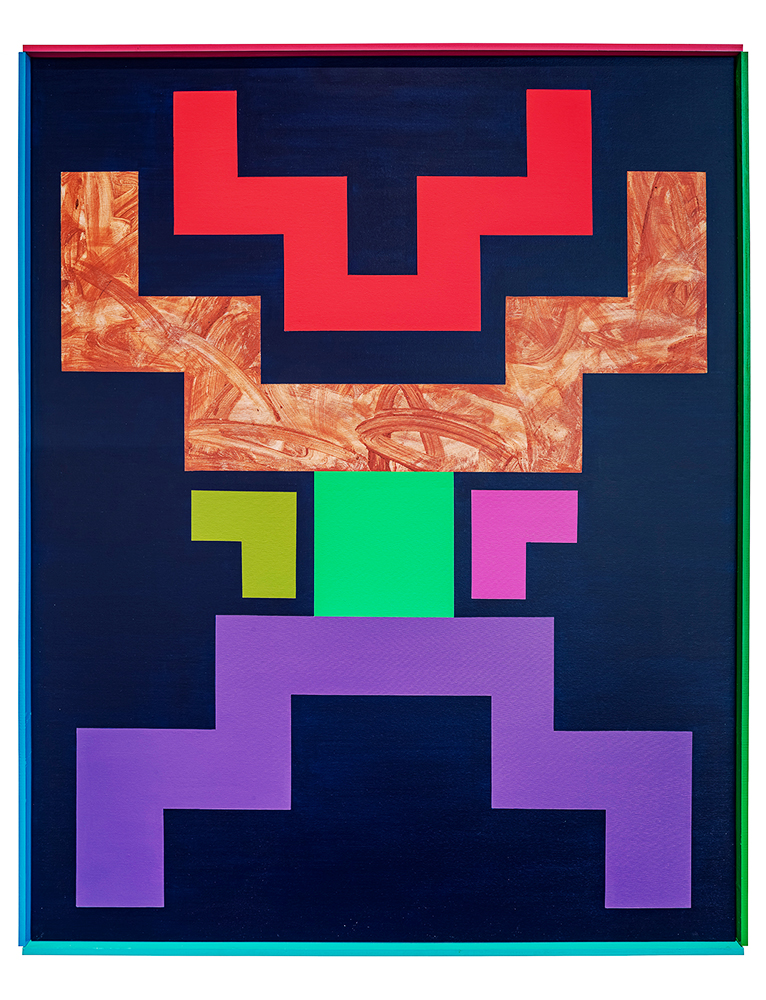
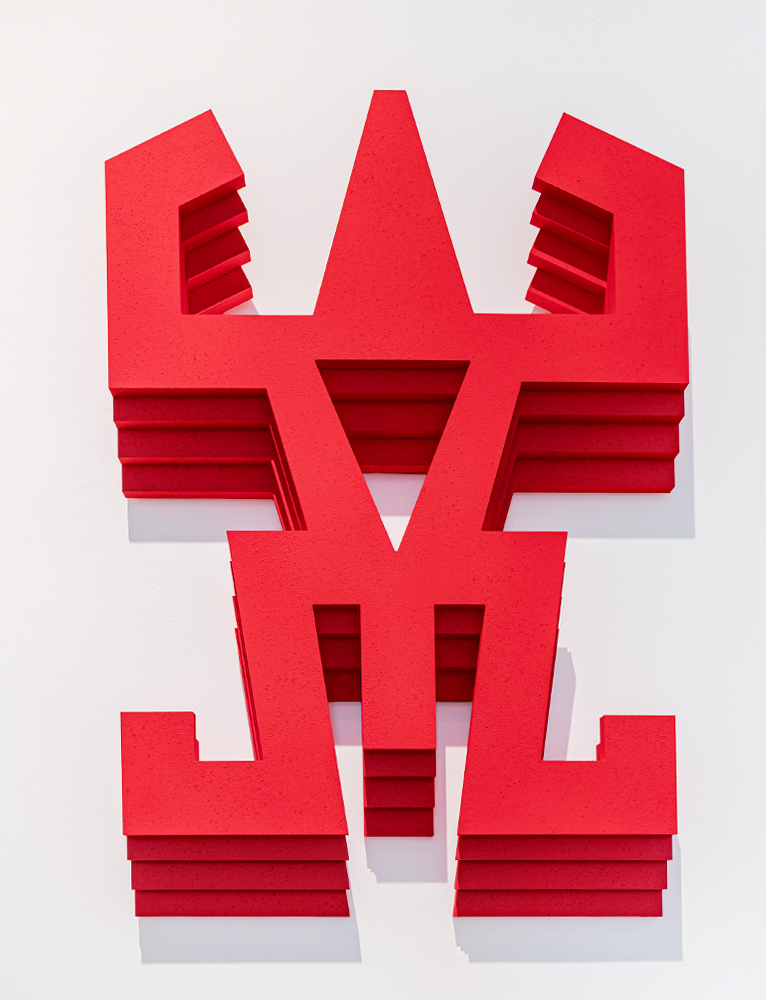
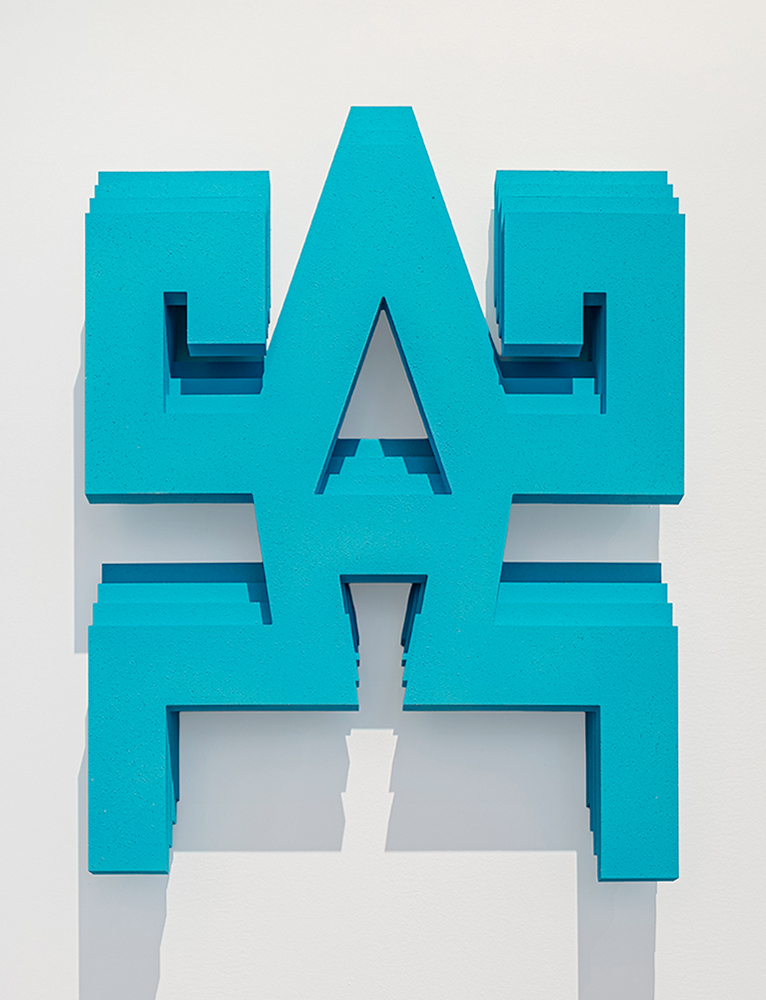
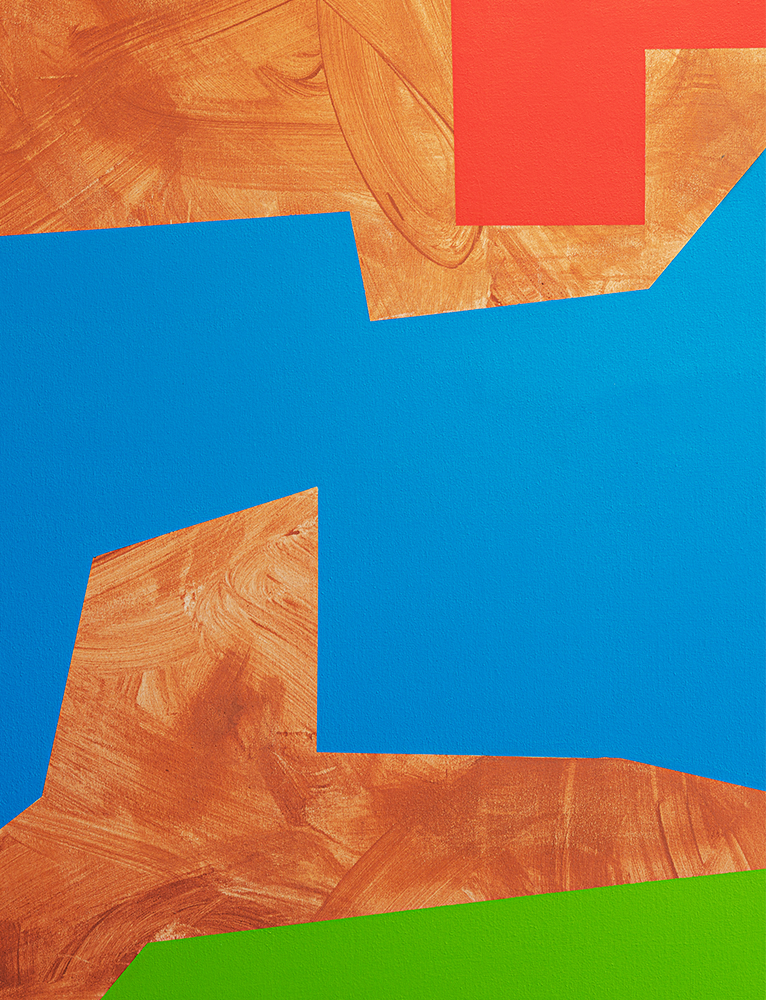
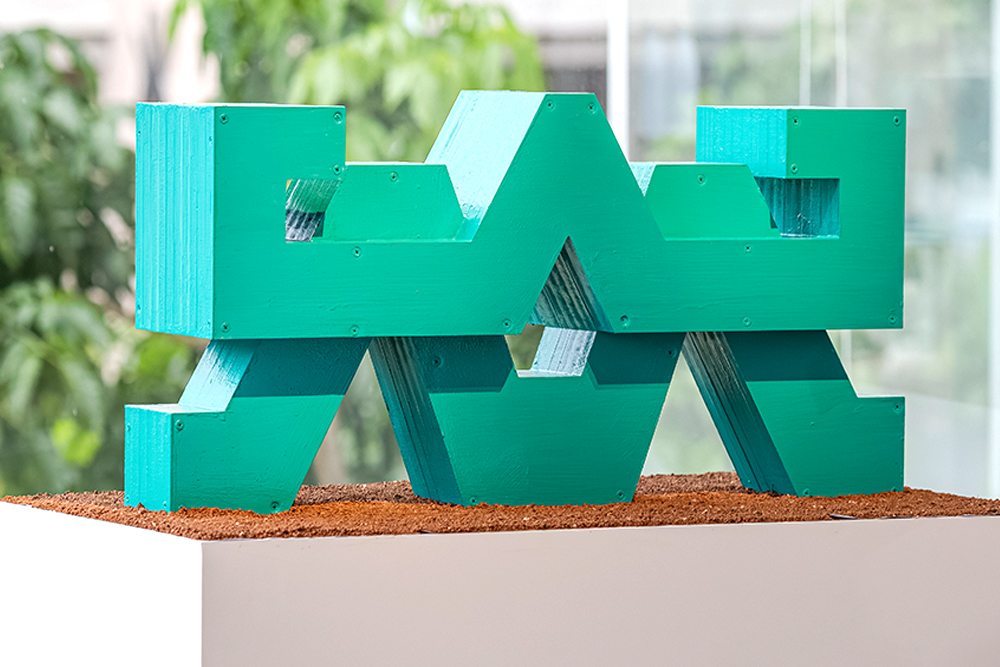
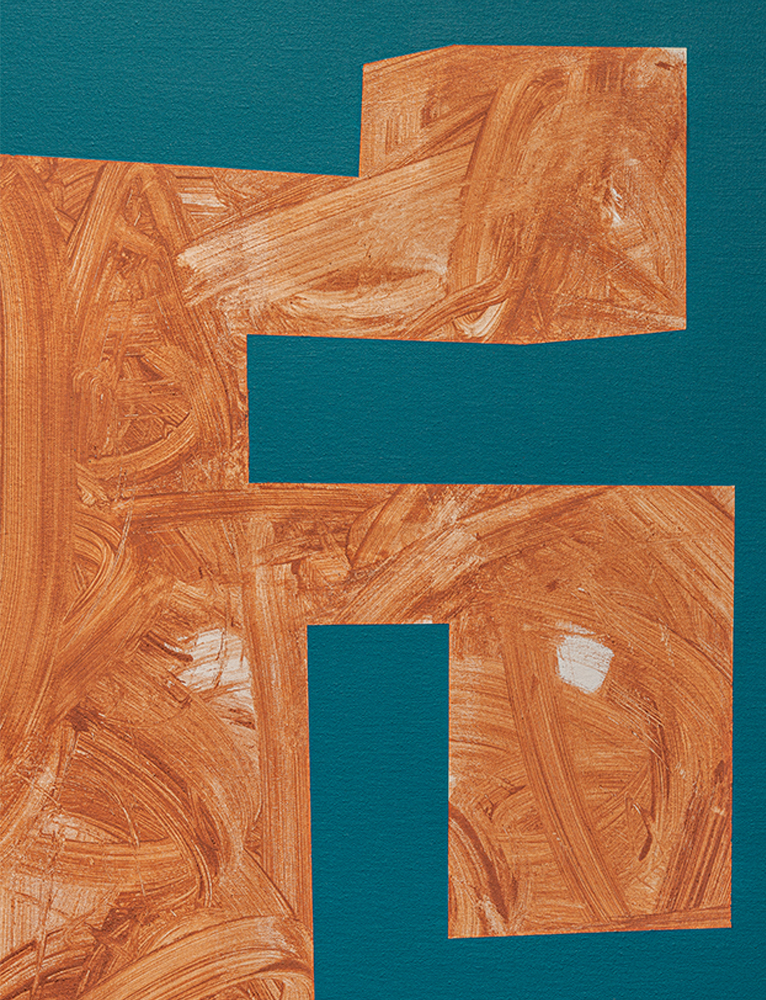
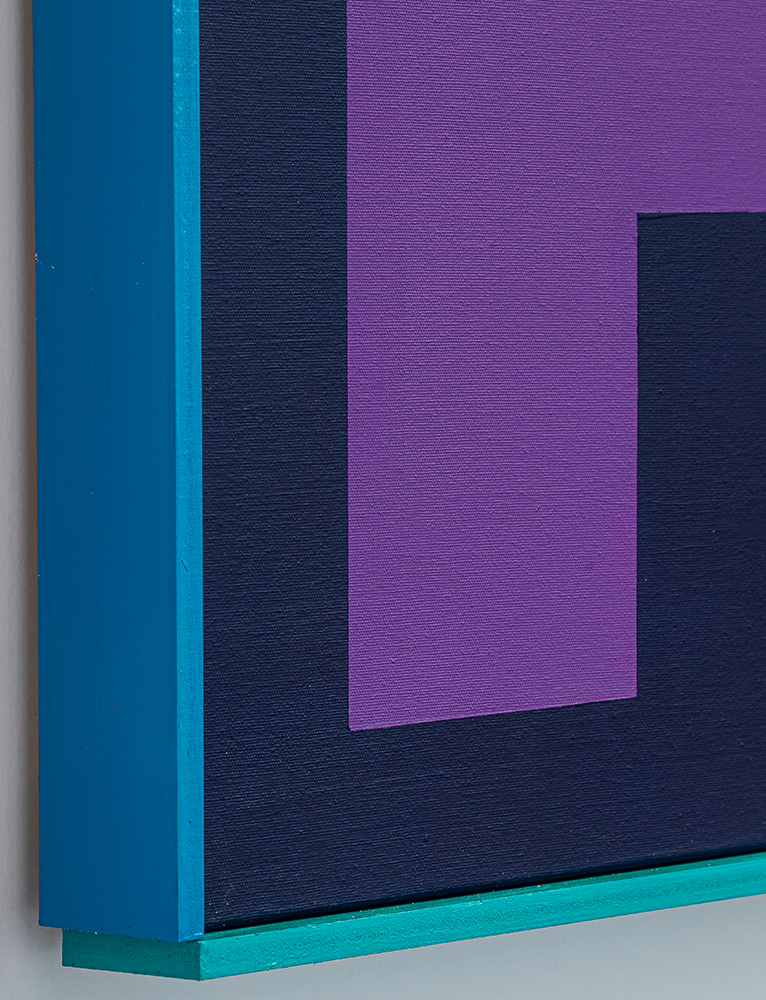
Derived from the active participle of the verb sigilar (to seal; to silence or conceal something), sigilante is not a formally recognized word, but it captures the essence of this exhibition, which brings together thirteen protective presences born from Cisco Merel’s personal pantheon. Composed of abstract entities that defy gendered pronouns, Sigilantes operates more as a set of dreamt-up pulses than as a collection of individual figures attributable to existing pictorial traditions. Rather than interpreting or reproducing recognizable iconographies, this exhibition proposes a mutating grammar of intuited and invented guardians. Drawing from collective memories and ancestral resonances, the paintings in this series suggest the totems of an imaginary archaeology; the wall and floor sculptures, its ritual temples. They vibrate unfathomably like ancient relics born of a singular present, like fossilized vestiges projected from a future yet to be defined.
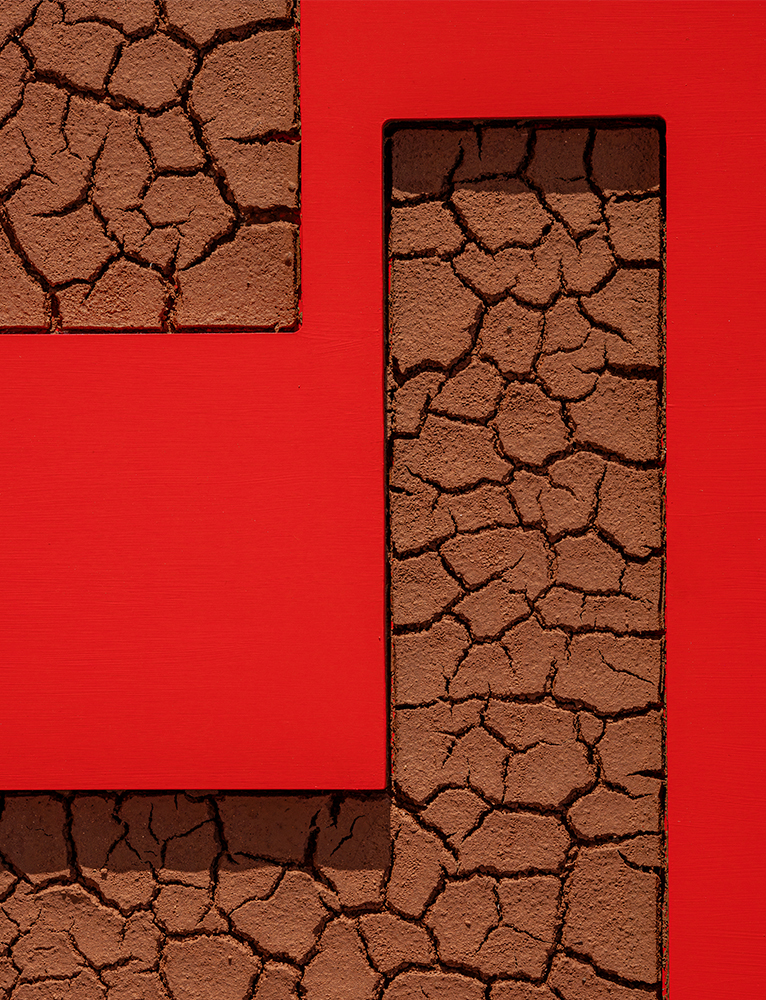
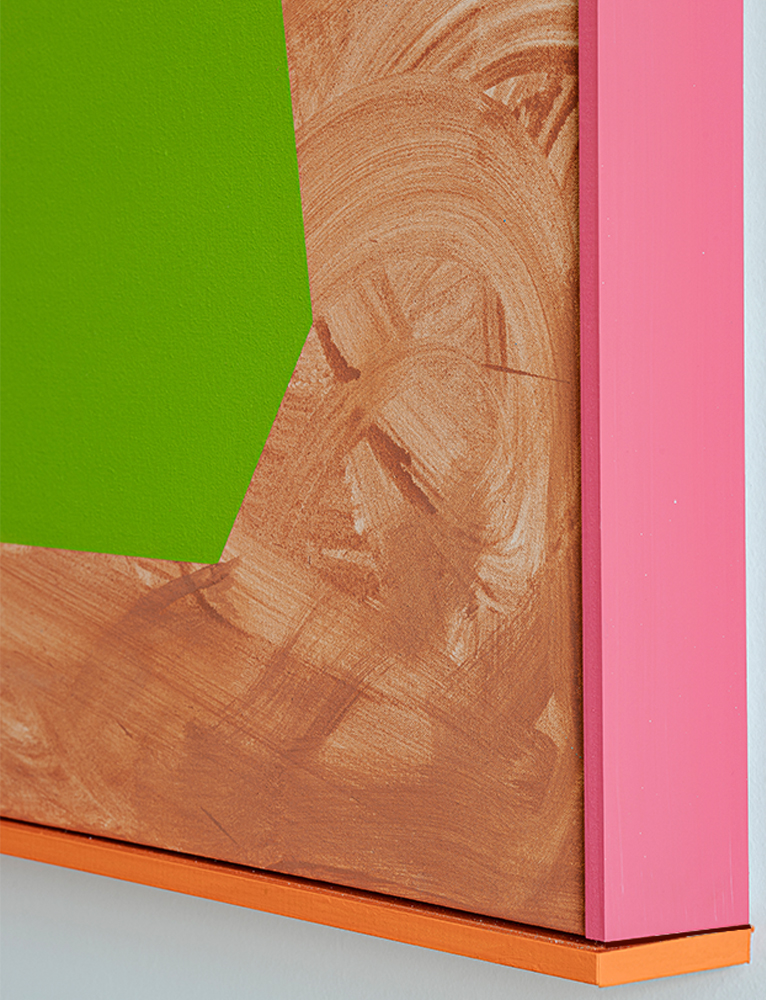
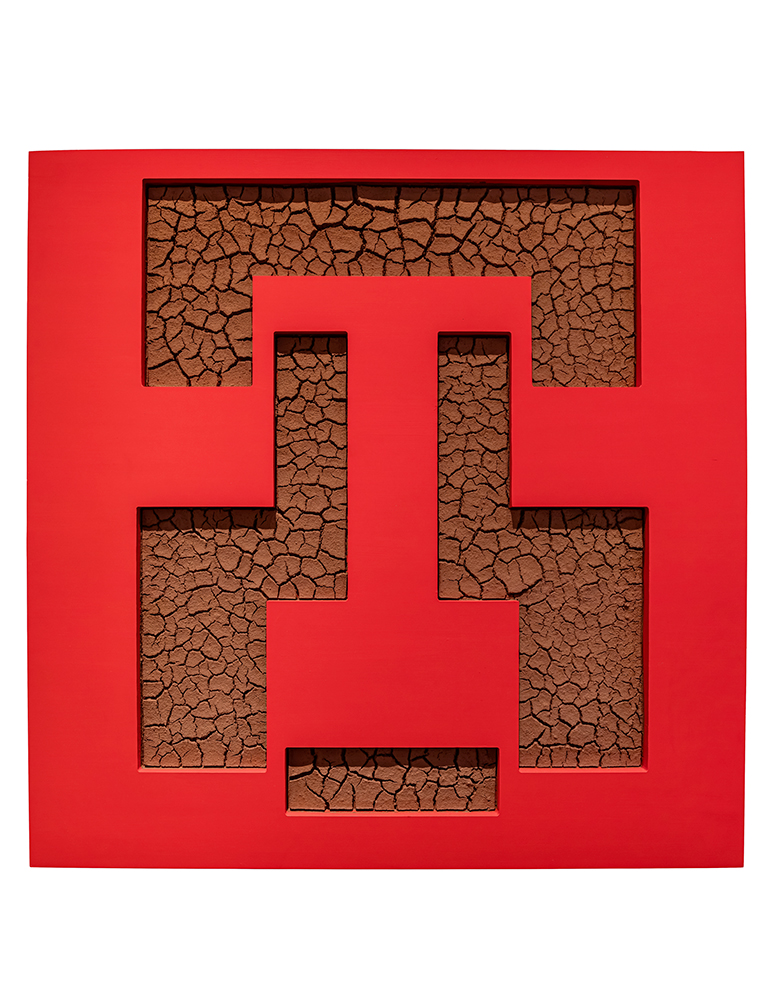
True to his long and notable trajectory, in Sigilantes Cisco employs stylized abstraction to render the intangible, forming an open constellation of subjective mythologies, where no lineages or hierarchies exist—only mobile, ambiguous, and poetic trajectories. Continuously oscillating among geometry, color, and the materiality of clay, these works emit the warm and familiar signals of a pulsing, nameless spirituality. Some pieces evoke animal or human figures and act as cryptic receptacles containing within their meticulously outlined contours swarms of chaotic energy, represented by storm clouds of frenzied, serpentine loops drawn in liquid clay. Other works invert that relationship: surrounded by active vortices of mud, their sigil-shapes seem to rest or float in poses reminiscent of the focused stillness of a yogi or the inscrutable equanimity of a Zen master.
By employing playful counterpositions between order and disorder, figuration and abstraction, geometry and organicity, color and clay, Cisco manages to raise and open powerful thresholds to what Émile Durkheim and Michel Leiris eloquently called “the sacred everyday,” giving life to singular hermetic guardians that admit no dogmas, issue no commands, claim no belonging to established creeds, and whose true strength lies precisely in the enigmas they embody and discreetly safeguard, without revealing the mystery of their origins.
Jonathan Harker, July 2025