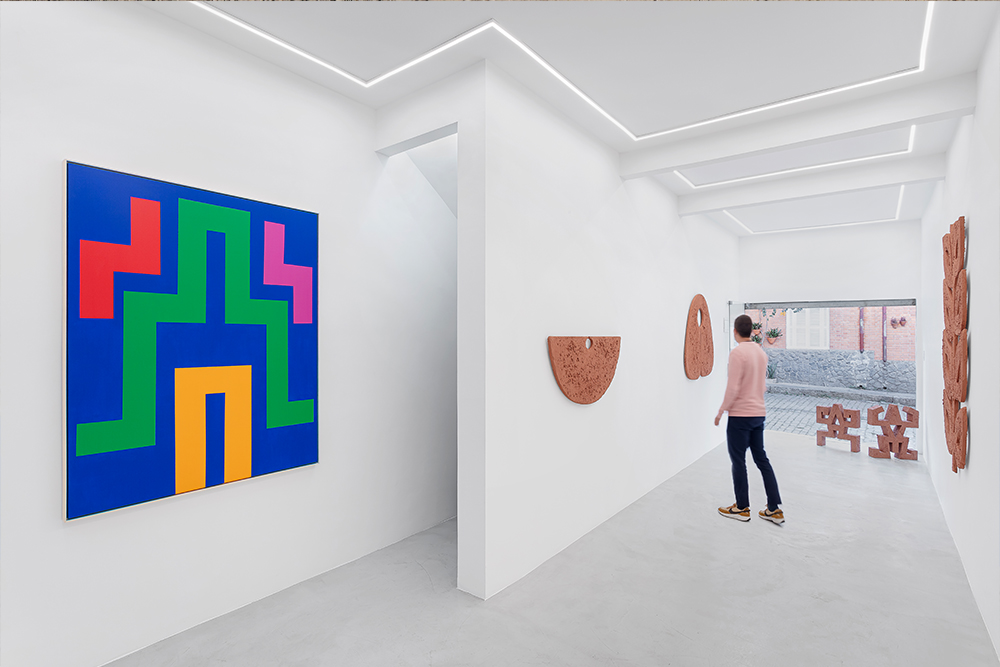
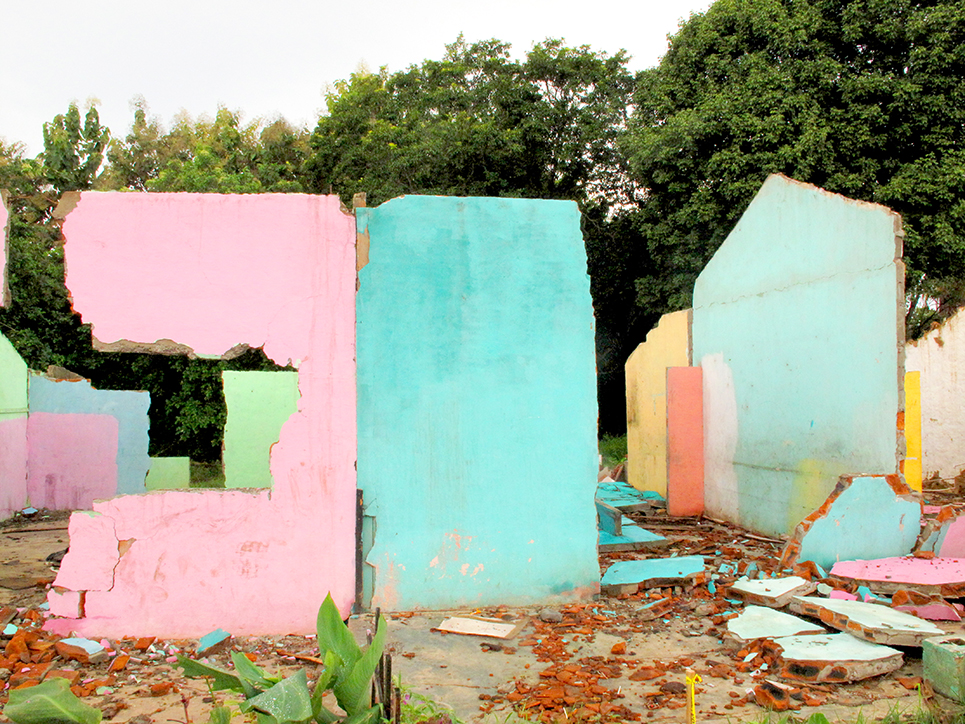
When we think of an anchor, we imagine a process of arriving somewhere. Not necessarily a permanent arrival, however; dropping an anchor and leaving it deposited at the bottom of a place is an act that generates an expectation for what comes next. “Timeless Anchors” is Cisco Merel’s first solo exhibition in Brazil, showcasing works from his recent production. However, these gestures are rooted in times that intertwine the past and the present.
To enter Merel’s universe, we must first outline some backgrounds that contribute to his arrival here. First, understanding Panama— his country of origin—as a place with a geographic position that enabled intense traffic and connection between different parts of the continent. It is a crossroads: from there, one can see two different oceans and a variety of exchanges between North and South America. Added to this is the presence of indigenous people who inhabited the region before European colonization and extermination, as well as a population from the African diaspora. This cultural aspect of intersections can be identified in the artist’s own biography, who carries with him Black, indigenous, and Chinese ancestries.
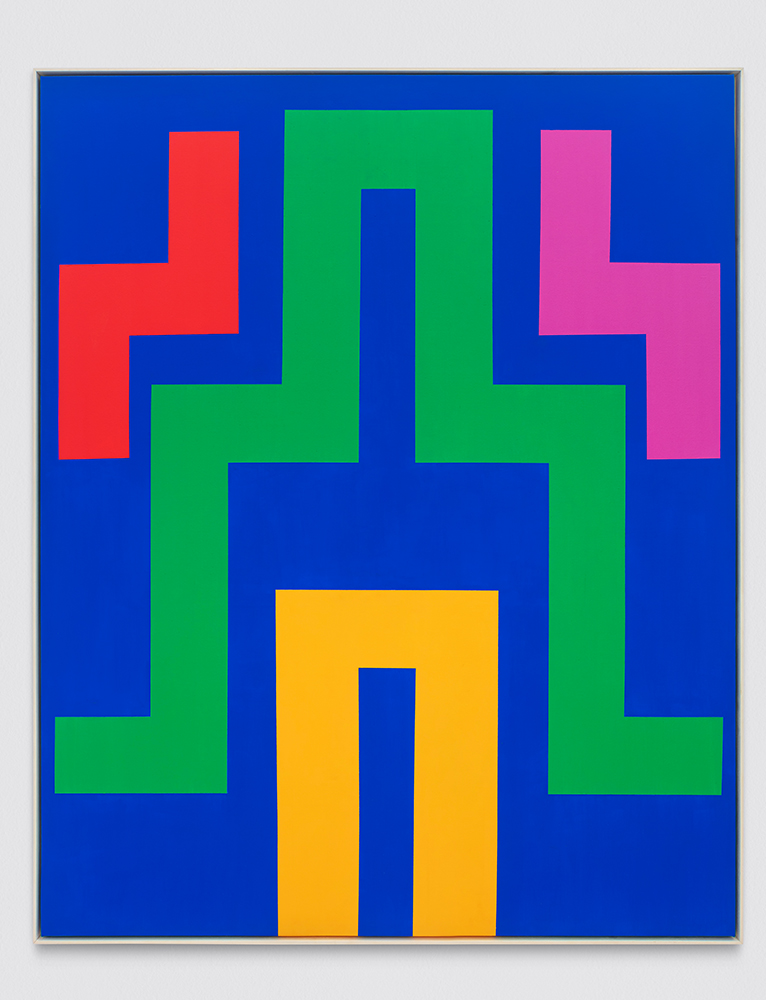
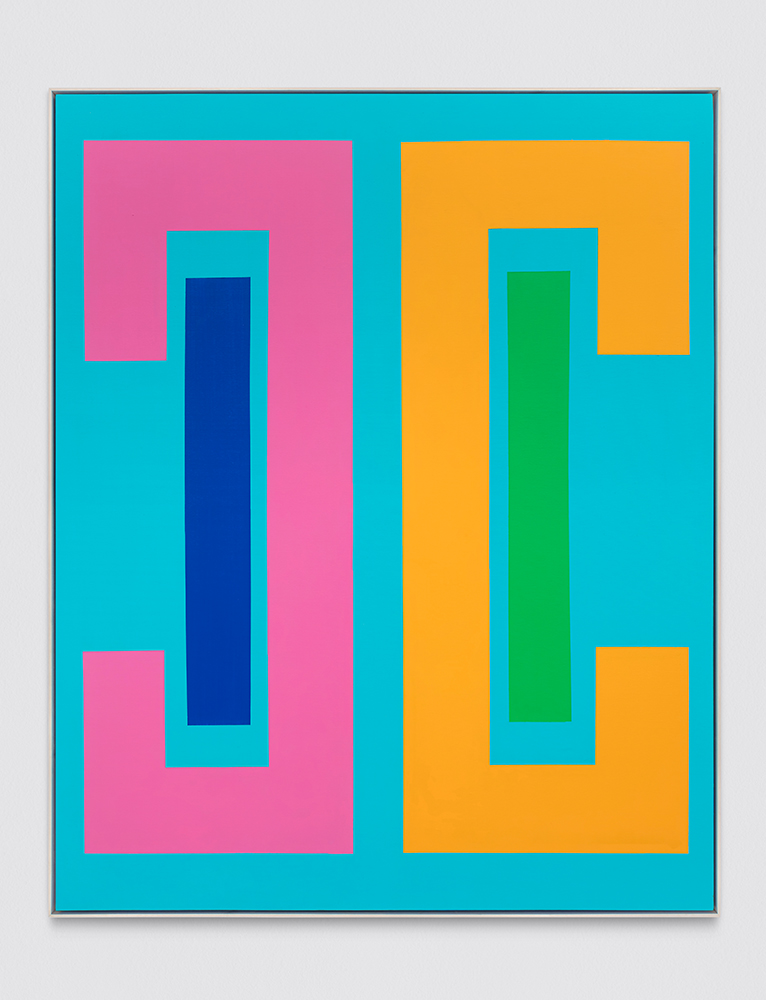
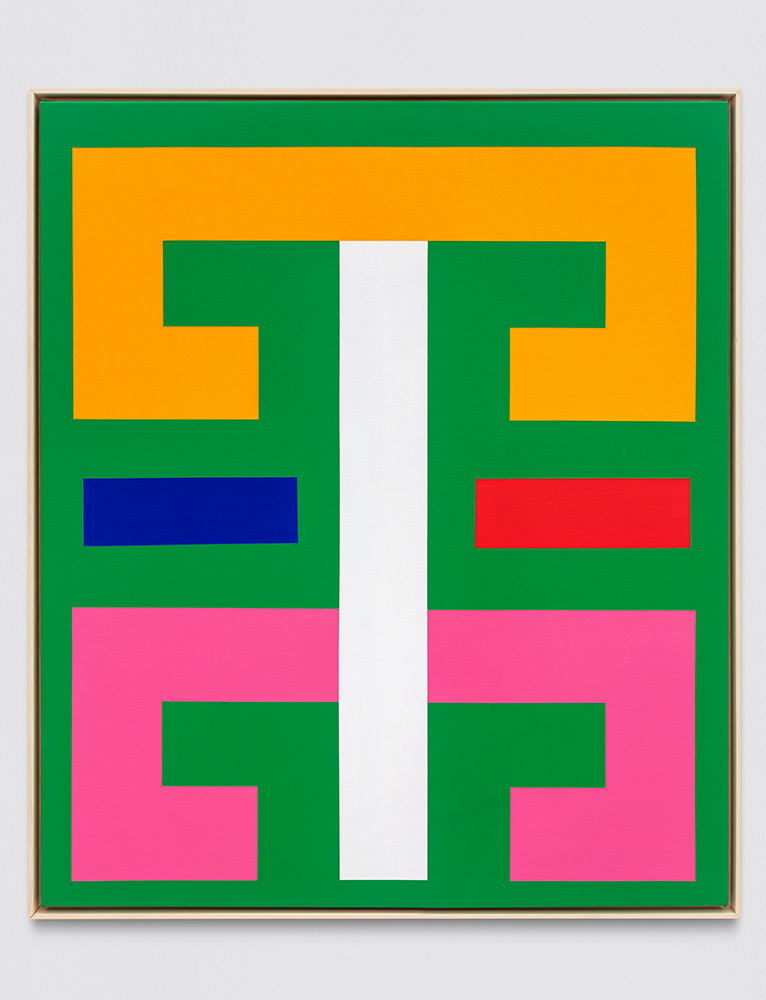
In this way, Cisco Merel’s work can also be deciphered from this place of crossroads, which gives rise to a very particular artistic trajectory and poetics when observed closely. First, there is an inclination towards chromatic and formal experimentation, leaning towards a certain minimalism, however with local influences—since Merel investigates his origins and connects to Afro-Antillean architecture, art, and popular crafts (such as the practice of painting buses, the so-called Diablos Rojos) for the selection of colors and the physical aspect of his works. And then, by starting to use clay as a material of immersion, he was able to incorporate other conceptual elements into his aesthetics recently.
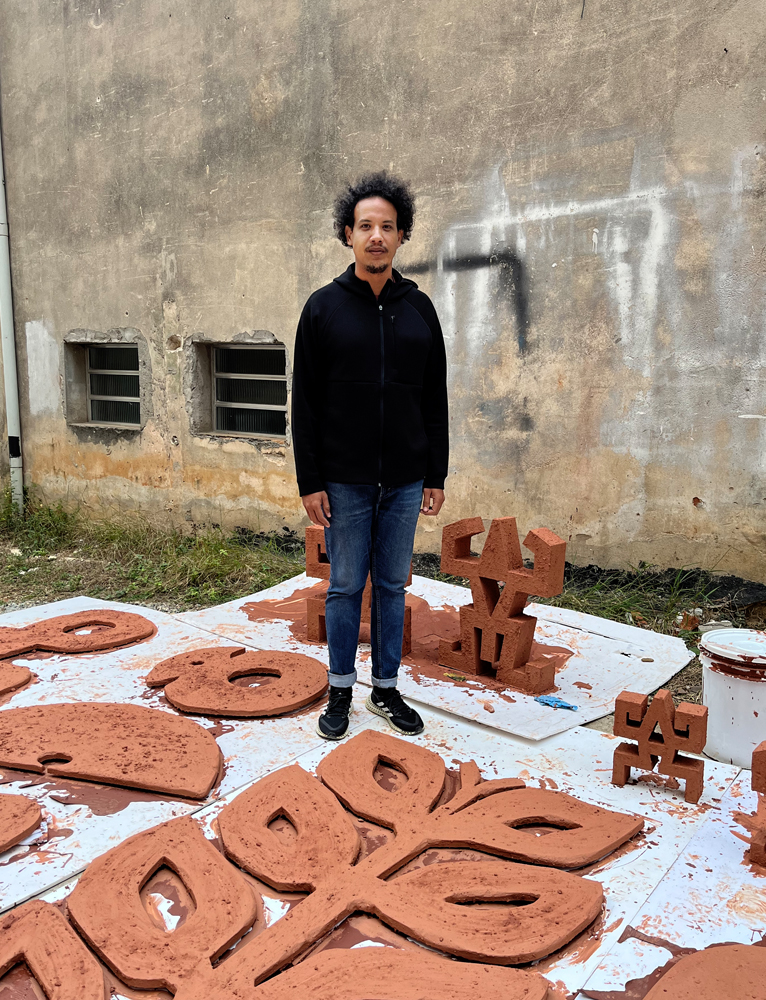
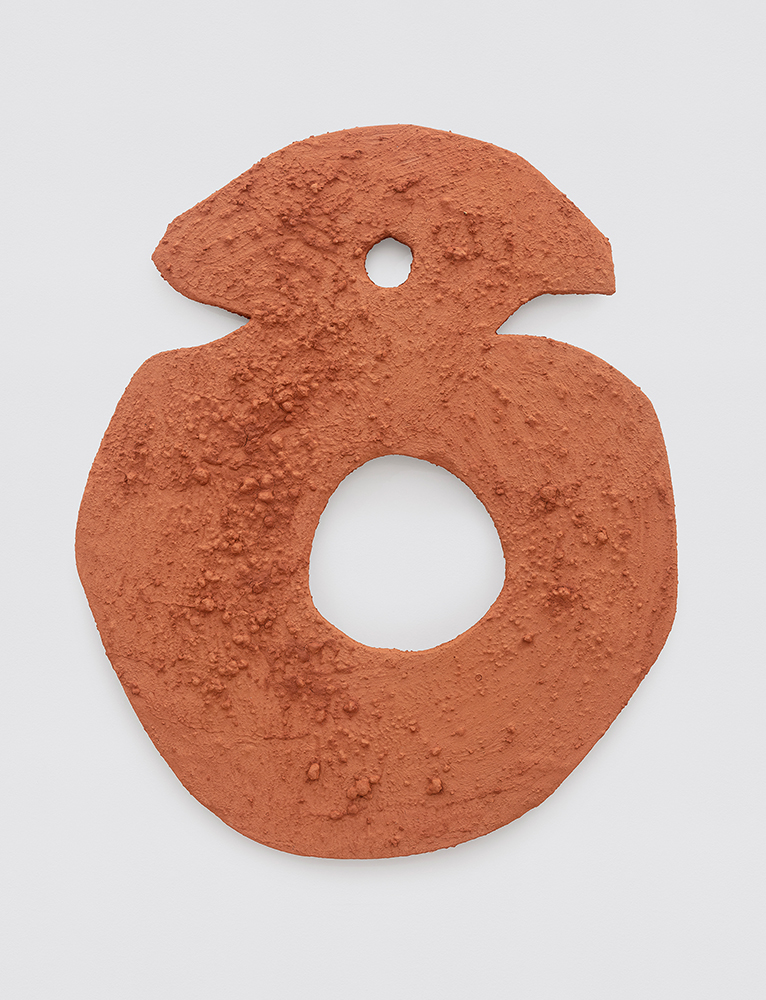
Clay appears in the artist’s work not just as a material fact but also speculating on its conceptual, historical, and collective dynamics. It was in his grandmother’s house, located in a rural community in Panama, that Merel understood that working with clay also involves the desire to be together, to perpetuate cultural aspects of a population that continues to keep the clay tradition alive, and, above all, to understand how, through solidarity, clay contributes to building a legacy, especially when thinking of traditional cultures. Through direct contact with the community and a deep dive into the understanding of its historical roots, the artist realized how people engaged in acts of community construction of other houses using clay, observing there a unifying power in this exercise and from there began to create works that weave another layer.
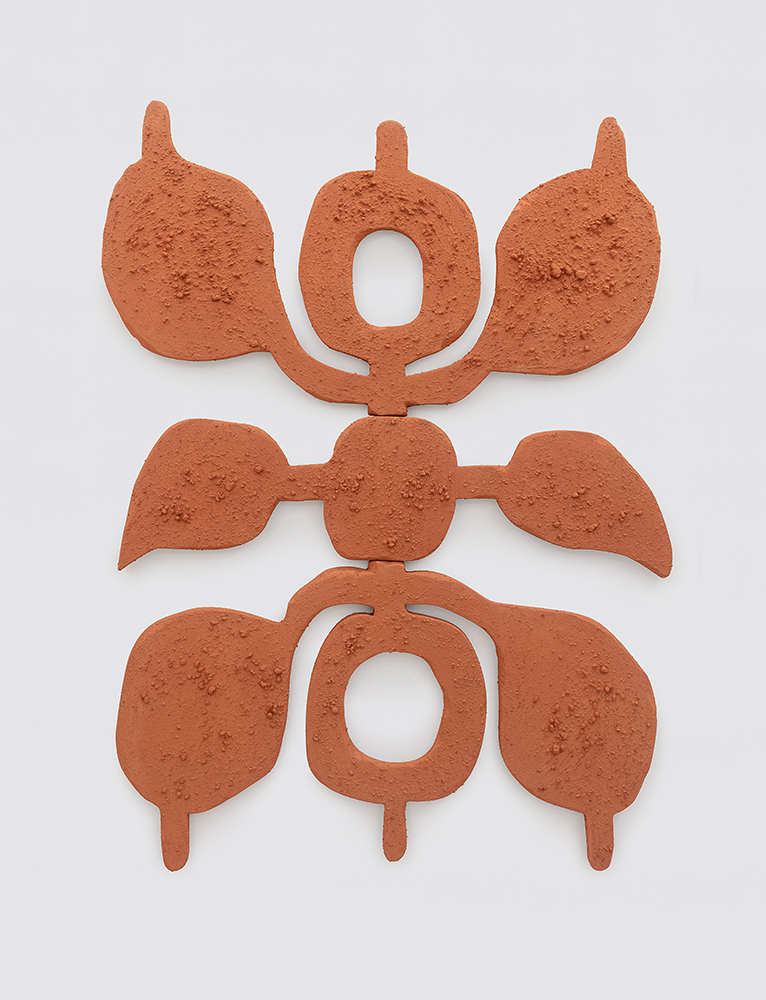
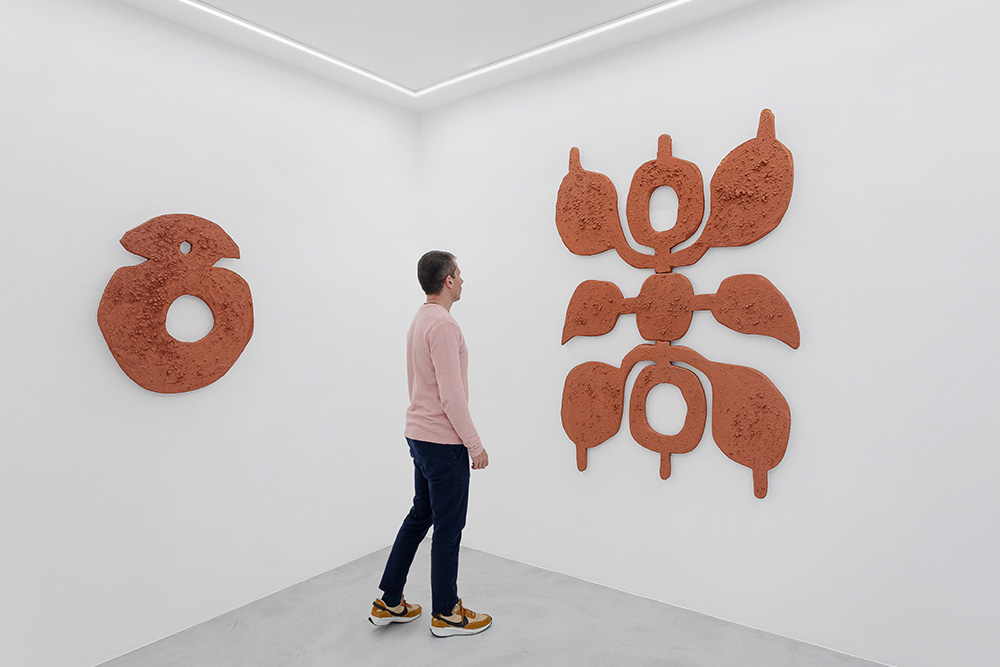
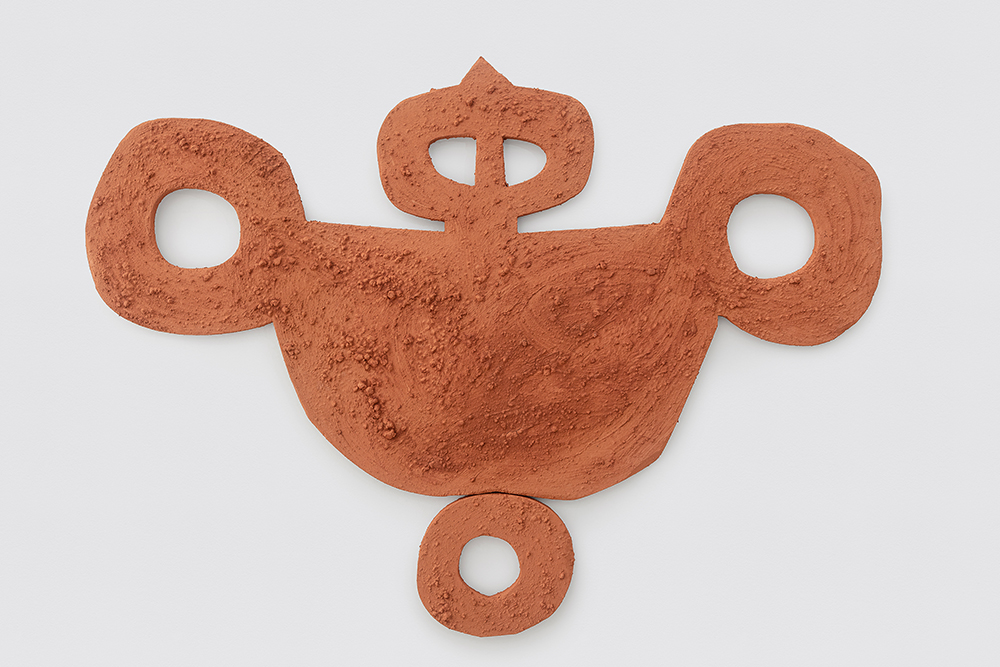
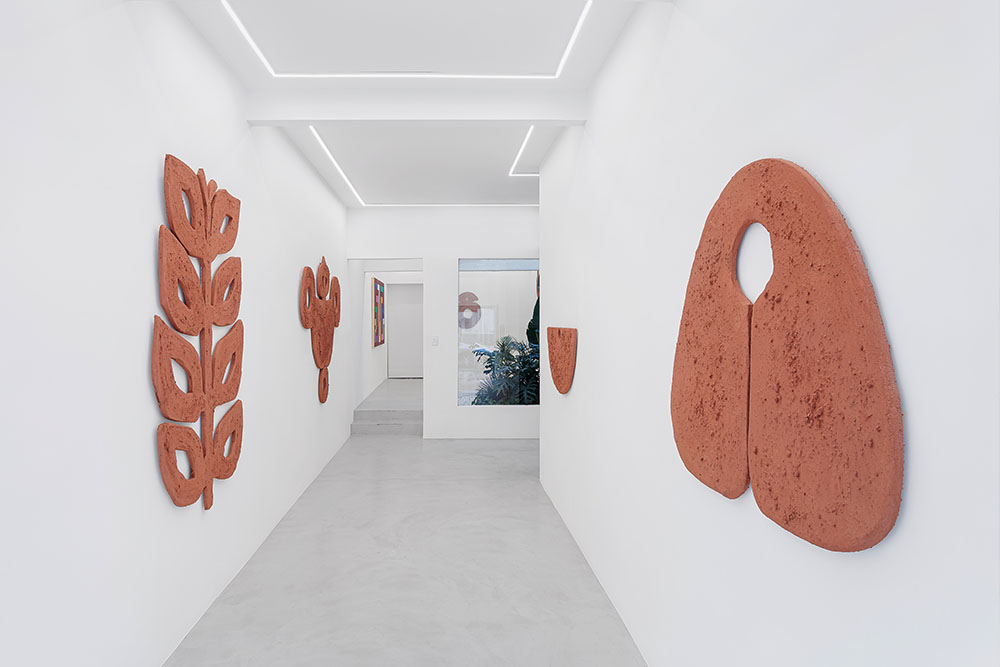
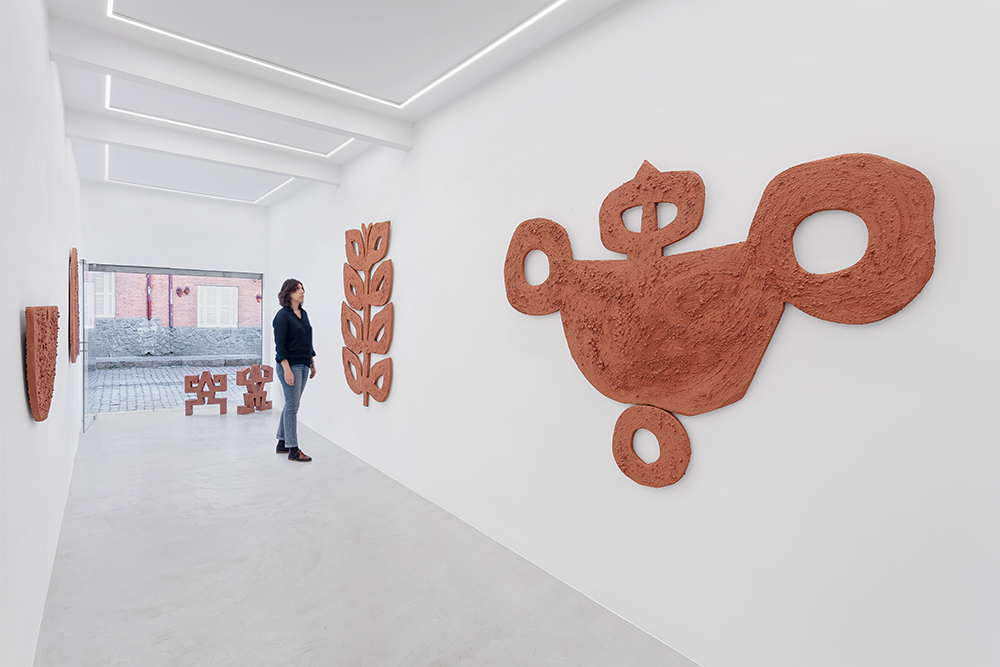
In the exhibition presented at Zielinsky gallery in São Paulo, Cisco Merel juxtaposes both paintings and works that incorporate clay, exploring its intrinsic complexity. By weaving together formal elements inspired by the practice of “mola”—a textile art that involves stitching different pieces of fabric to create geometric patterns through an intricate and complex process—the artist draws us into a universe intimately connected with nature and spirituality.
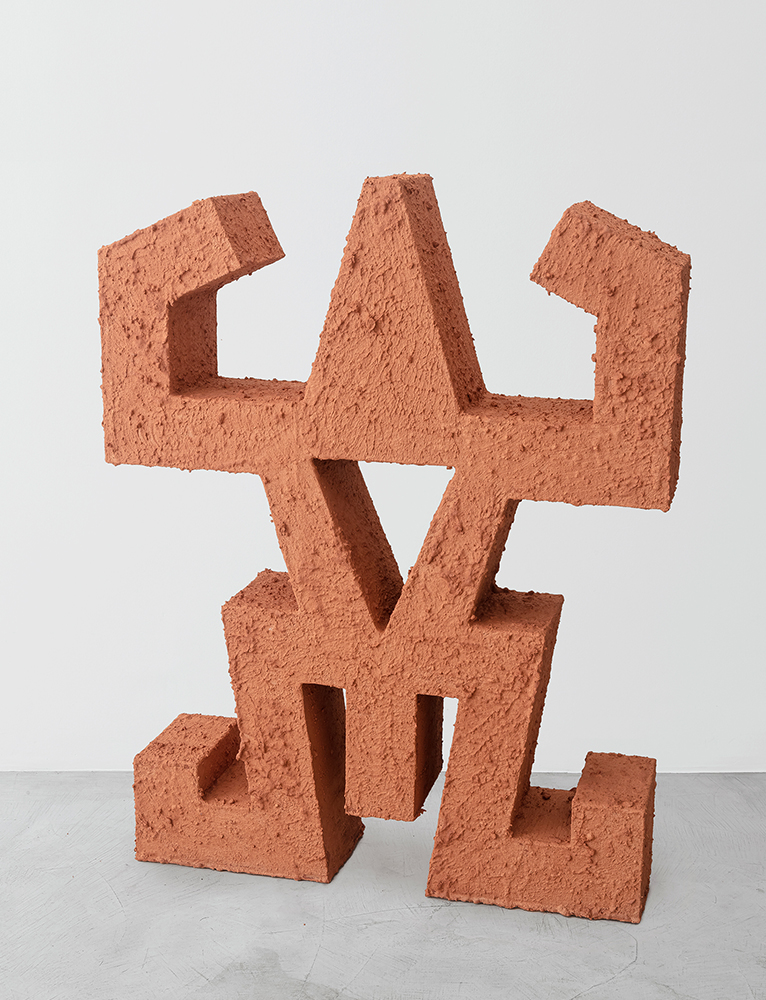
The organic nature of clay is intertwined with geometries imagined from mola fabrics, with outlines referring to natural aspects, indicated in works like “Floramiga,” where a sinuous shadow of a flora species is composed with clay. And even in works where the aspect seems more objective and synthetic, like “Espacios fluviales,” there is a form of abstraction leaning towards what appears to be the intricate flow of a river. In three-dimensional works, Merel again plays with times and artistic traditions, creating organic sculptures that seem like archaeological pieces, engaging in an imaginative exercise about archives and historical records.
In the ebb and flow between the past and the present, Cisco Merel offers us a conjecture about time through his works. He allows us to perceive a temporality in which one does not necessarily move only forward, as he weaves a complex web that connects a rich imagination of his place of origin with also universal cultural aspects—such as clay, present as an aggregating factor throughout human history. Merel’s work proves prolific as it rests on the eagerness to drop, raise, and move the anchors of time.
___
Tiago Sant’Ana is a curator, artist and has a PhD in Culture and Society